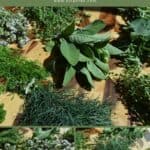

There’s nothing quite like stepping into your garden and picking a handful of fresh herbs that can flavour your dinner and soothe a sore throat. A herb garden brings together the best of both worlds—fresh culinary ingredients and gentle and effective medicinal remedies—right at your fingertips. Whether you’re dreaming of homemade pesto, calming teas, or natural salves, growing herbs can be one of the easiest and most rewarding things! We will go over my favourite simple herbs, that serve many purposes, as well as the best ways to preserve them to enjoy all year long.

My Favourite Herbs to Grow:
- Basil
- Oregano
- Thyme
- Lemon Thyme
- Dill
- Lemon Balm
- Chamomile
- Lavendar
- Marjoram
- Mint
- Cilantro
- Parsley
- Sage
- Chives


Here are some of my favourite seed companies:
Westcoast Seeds- Have a wonderful selection, and grow very well!
Why you should grow herbs in your garden?
One of the may reasons I love to grow herbs is that we are all seasoning our food daily- if you aren’t then you should be. I love to grow things myself that I utilize frequently. Yes, it is fun to experiment and grow new things, but growing something you use daily is so rewarding. Herbs are amazing to dry and save for later. You can even make up your own spice blends like – Italian Seasoning, Greek Seasoning, etc. Growing your years worth of culinary herbs is not hard, and the best part? They benefit your garden immensely! So not only are you gaining all the amazing flavours and benefits of herbs in your kitchen, your vegetable garden will flourish.

Herbs as Pest Prevention:
Herbs in a garden play a powerful role in natural pest control. Many herbs, like basil, mint, and rosemary, release strong scents and oils that deter common garden pests such as aphids, mosquitoes, and cabbage moths. Others, like dill and cilantro, attract beneficial insects like ladybugs and hoverflies that feed on harmful bugs. When used in companion planting, herbs can help protect nearby vegetables by masking their scent or creating a less inviting environment for pests.
How to plant herbs in your garden?
While I see many people setting out a designated “Herb Garden Bed”, for their herbs, I much prefer to plant mine all throughout my vegetables garden. This allows me to have an abundance of herbs to use, and reap the benefits of them in my garden. I love to plant things with a strong aroma all throughout my brassica vegetables, and perennials like thyme, sage, and oregano in the corners of almost all my beds.

Growing Abundant Herbs:
Most herbs thrive under similar growing conditions, making them relatively easy to grow at home. Here are some key factors to keep in mind:
- Sunlight: Herbs generally love the sun. Aim for 6 to 8 hours of direct sunlight daily. Mediterranean herbs like rosemary, thyme, oregano, and sage especially require full sun, while leafy herbs like parsley, cilantro, and mint can tolerate partial shade.
- Soil: Well-draining soil is essential. Most herbs prefer soil with good drainage.
- Watering: Herbs need consistent but not excessive watering.
- Temperature: Most herbs grow best in temperatures between 60–75°F (15–24°C). Some, like basil, are sensitive to cold and should only be planted outdoors after the last frost.
- Fertilizing: Herbs don’t need heavy feeding. Use a diluted, balanced fertilizer or compost tea every 4–6 weeks if needed. Too much fertilizer can reduce flavor intensity.
- Frequent Harvesting: Herbs thrive when you harvest frequently!

Preserving Culinary Herbs & Teas:
Herbs are easy to harvest and preserve. Some of the most common ways are drying & freezing. While they will last fresh in your fridge, for a number of weeks- either with the stems sitting in some fresh water, or in a sealed container with a damp paper towel.
I always begin by washing all my herbs well, and then drying, before proceeding with preserving them.
Freezing Herbs:
Ice Cube Tray Method (Best for Cooking)
Great for soft herbs like basil, parsley, cilantro, dill, and chives.
Steps:
- Wash and dry the herbs thoroughly.
- Chop them finely.
- Pack into ice cube trays, about 1–2 tablespoons per compartment.
- Cover with water or olive oil (oil helps preserve flavor and color better for sautéing or sauces).
- Freeze until solid, then transfer cubes to a labeled freezer bag.
Use the cubes directly in soups, stews, sauces, or sautés—no thawing needed.

Flash Freezing (Best for Garnishing or Dry Uses)
Ideal for woody herbs like rosemary, thyme, oregano, or sage.
Steps:
- Wash and thoroughly dry herb sprigs or leaves.
- Spread in a single layer on a baking sheet.
- Freeze until solid (a few hours), then transfer to an airtight freezer-safe bag or container.
This method keeps herbs loose and easy to portion. You can strip the leaves as needed.
Quick Tips:
- Label and date your bags or containers.
- Don’t refreeze thawed herbs—use them right away.
Freeze Drying Herbs:
What is freeze drying? Freeze-drying (also known as lyophilization) is a method that removes moisture from foods while preserving their structure, color, and essential oils better than traditional drying.
Freeze drying is a newer preservation tool for us. I immediately wanted to try the comparison of freeze dried herbs vs. dehydrated or dried herbs. What I discovered is that I really love freeze drying herbs, for herbs that I will be using for flavouring and seasonings, but I will steer away from freeze drying herbs that I want to use for teas. This is because freeze drying does change the texture, the result is a very dry powdery consistency when you crush the herbs, vs. drying where they still retain a bit of their structure. That being said the flavour, and ease of handling is amazing coming out of the freeze dryer.
Below you can see on the left hand image, the fine powdered consistency of the thyme, once it has been freeze dried and ground. While the right image, the herbs were dried and ground. Both equally as lovely and useful, but the freeze dried herbs are definitely intended more for seasonings.


How to Freeze-Dry Herbs:
Steps to Freeze-Dry Herbs:
- Harvest at Peak Freshness
Pick herbs in the morning after the dew has dried but before the sun gets too hot. This is when oils and flavors are most concentrated. - Rinse and Dry Gently
Wash herbs in cool water to remove dirt or insects. Pat them dry with a clean towel or let them air dry completely—moisture can interfere with the process. - Prep for the Freeze Dryer
Remove tough stems if desired and lay herbs in a single layer on the freeze dryer trays. Avoid overcrowding. - Start the Freeze-Drying Process
Load the trays into the freeze dryer. The machine will freeze the herbs to very low temperatures and create a vacuum, causing the water in the herbs to sublimate (go from solid to vapor). This process typically takes 24–36 hours, depending on the herb and machine. - Store Properly
Once dry, immediately store the herbs in airtight containers (like mason jars or vacuum-sealed bags) with an oxygen absorber for maximum shelf life. Keep them in a cool, dark place.

Drying Herbs:
Drying herbs is one of the oldest and easiest ways to preserve them for long-term use. It works best for herbs with lower moisture content, such as rosemary, thyme, oregano, sage, and marjoram. Drying is my preferred method when I am using my herbs to make teas. Here’s how to do it properly:
1. Harvest at the Right Time
Pick herbs just before they flower, when their flavor and oil content are strongest. Harvest in the morning after the dew has dried.
2. Clean and Prep
- Gently rinse herbs in cool water to remove dirt or insects.
- Shake off excess water and pat dry with a towel.
- Remove any damaged or yellowing leaves.
3. Choose a Drying Method
A. Air Drying (Best for Sturdy Herbs)
- Gather herbs into small bundles and tie with string or a rubber band.
- Hang upside down in a warm, dry, well-ventilated area out of direct sunlight (like a pantry or attic).
- Allow 1–3 weeks to fully dry, until leaves are crisp and crumble easily.
B. Drying with a Dehydrator (Faster and Controlled)
- Spread herb leaves in a single layer on dehydrator trays.
- Set to a low temperature (95–115°F / 35–46°C).
- Dry for 1–4 hours, checking frequently until herbs are brittle.
C. Oven Drying (Quick but Less Ideal)
- Place herbs on a baking sheet lined with parchment.
- Set oven to the lowest temperature (around 170°F / 75°C or lower).
- Keep the door slightly open to allow moisture to escape.
- Check every 15–30 minutes—most herbs dry in 1–2 hours.
4. Store Properly
- Strip dried leaves from stems and store in airtight containers (glass jars are ideal).
- Keep in a cool, dark place to preserve color and flavor.
- For best taste, use dried herbs within 6–12 months.

Other Methods of Preserving:
- Infusing into vinegars & oils
- Sun Drying
- Tinctures
Final Thoughts on Growing Herbs:
Overall I highly recommend growing herbs in your garden, not matter how big or little space you have! They are so beneficial in a multitude of ways, they require little attention, and really go along way! So whether you have a little deck herb garden, or you are planting them throughout a larger vegetable garden, you are going to reap their benefits!

you’re truly a good webmaster. The site loading speed is amazing. It sort of feels that you’re doing any unique trick. Also, The contents are masterwork. you have done a fantastic process in this topic!